For decades, people were told that coffee doesn't count toward your daily fluid intake because caffeine is a diuretic that causes you to excrete more fluid than you consume. Drink a cup of coffee and you're actually making yourself more dehydrated, the reasoning went.
This turns out to be wrong - or at least dramatically overstated. Current research is clear: moderate coffee consumption is net hydrating, not dehydrating. Your morning coffee absolutely counts toward your daily fluid intake. Here's why the myth persisted, what the science actually shows, and when caffeine genuinely can contribute to dehydration.
Where the Myth Came From
The caffeine-as-diuretic belief originated from research conducted in the early 20th century, most notably a 1928 study that gave participants large doses of caffeine - equivalent to many cups of coffee - and measured increased urine output. The finding that caffeine increases urine production was real. The leap from "caffeine increases urine output at high doses" to "coffee dehydrates you" was where things went wrong.
The logic ignored the most obvious counterargument: an 8-ounce cup of coffee is 98% water. Even if caffeine causes you to excrete slightly more fluid than you otherwise would, the net fluid balance from drinking coffee is still strongly positive - you're drinking a large volume of liquid that your body retains far more than it excretes from any diuretic effect.
The original studies also typically used caffeine doses much higher than those found in normal coffee consumption, and they often used caffeine-naive subjects (people who didn't regularly drink coffee), in whom caffeine's diuretic effect is stronger before tolerance develops.
What Current Research Actually Shows
A landmark study published in PLOS ONE in 2014 specifically compared coffee consumption to water consumption as a hydration source. The study found that moderate coffee consumption (3 to 4 cups per day) produced equivalent hydration markers to drinking the same volume of water. The researchers concluded that coffee can be used as a daily hydration beverage without concern for dehydration - a finding that directly contradicted decades of conventional wisdom.
Multiple subsequent studies have reinforced this conclusion. A review of 16 studies published in the American Journal of Clinical Nutrition found that habitual coffee drinkers who consumed 4 or fewer cups per day showed no evidence of dehydration compared to non-coffee drinkers. Their total body water levels, urine osmolality (a measure of concentration), and other hydration biomarkers were not significantly different from those drinking only water.
The mild diuretic effect of caffeine is real - it does cause a small increase in urine production, primarily by increasing kidney blood flow and inhibiting sodium reabsorption. But this effect is: (1) modest, not enough to overcome the large fluid volume in a cup of coffee, (2) significantly blunted in habitual caffeine users who have developed tolerance, and (3) observed primarily at doses much higher than typical coffee consumption.
Great Coffee for Great Hydration
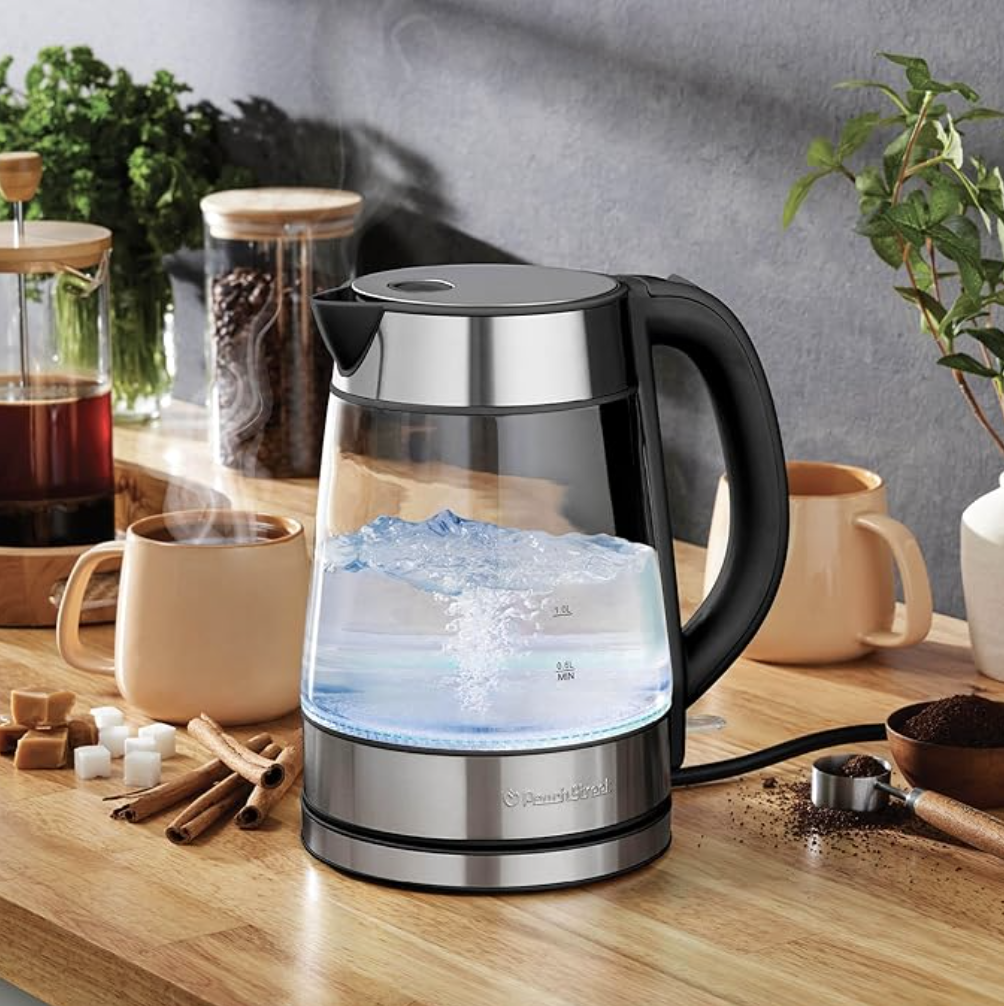
Speed-Boil Electric Kettle - $22
Proper water temperature is key to the best-tasting coffee - which is key to actually drinking it regularly and benefiting from its fluid content. The Speed-Boil kettle reaches a full boil in under 3 minutes, making it easier to stay consistent with your coffee routine and your hydration.
Check it outWhen Caffeine CAN Contribute to Dehydration
While moderate coffee is not dehydrating for most people in most circumstances, there are specific situations where caffeine's diuretic effect becomes more relevant:
Very High Doses (500mg+ of Caffeine)
At very high caffeine intake - think 5 or more cups of strong coffee, or combining coffee with energy drinks and pre-workout supplements - the diuretic effect becomes more pronounced and may outpace the fluid you're consuming. This is uncommon for average coffee drinkers but relevant for those who combine multiple caffeine sources throughout the day.
Exercise in Hot Conditions
When you're exercising, particularly in heat, fluid loss through sweat is already high. Adding caffeine's mild diuretic effect on top of significant sweat losses can contribute to dehydration if you're not actively replacing fluids. The advice to hydrate well during exercise applies whether or not you've had caffeine, but caffeine adds a modest additional consideration in this specific context.
Caffeine-Naive Individuals
People who rarely or never drink caffeine experience a stronger diuretic response when they do consume it. Regular coffee drinkers develop tolerance to the diuretic effect, meaning it's less pronounced. If you rarely drink coffee and then consume a large amount, you may notice a stronger diuretic response than habitual drinkers do.
Replacing Water, Not Supplementing It
The hydration research on coffee assumes it's consumed as part of an otherwise normal fluid intake. If someone is drinking only coffee and no other beverages - particularly if they're physically active, in a hot environment, or sick - the quality of hydration from coffee alone may be suboptimal compared to plain water. Coffee as part of a varied fluid intake is fine; coffee as your only fluid is less ideal.
The Net Hydration Calculation
Here's the simple math that explains why coffee is net hydrating. A typical 8oz cup of drip coffee contains approximately 240ml of water and approximately 100mg of caffeine. At that dose, caffeine may cause an additional 50 to 100ml of urine to be produced over the following few hours. Net fluid retained: 140 to 190ml - strongly positive.
For habitual coffee drinkers with caffeine tolerance, the diuretic effect is smaller still. This is why hydration researchers now routinely count caffeinated beverages including coffee toward total daily fluid intake - because they genuinely contribute to hydration for the vast majority of consumers in normal conditions.
What Coffee Does for Hydration
- Provides 8oz (240ml) of fluid per cup
- Net hydration is positive at normal consumption levels
- Counts toward daily fluid intake goals
- Habitual drinkers have reduced diuretic response due to tolerance
- 3–4 cups per day shown to be as hydrating as equivalent water volume
When to Be More Careful
- Very high caffeine intake (500mg+) - diuretic effect more significant
- Exercise in heat - combine coffee with adequate water
- Illness with fever or diarrhea - water and electrolytes are better choices
- If you are caffeine-naive - expect a stronger diuretic response
- During travel or airplane flights where baseline dehydration risk is higher
Quality Coffee Worth Drinking

Death Wish Coffee - $16
If your coffee is good enough to drink without loading it with sugar and cream, you're getting the full fluid benefit without unnecessary calories. Death Wish is USDA organic with a bold, smooth flavor that's satisfying on its own - which means more of your daily fluid intake is actually coffee, not coffee-flavored sugar drinks.
Check it outFrequently Asked Questions
Does coffee count toward my 8 glasses of water per day?
Yes. Hydration research no longer distinguishes between water and moderate amounts of caffeinated beverages like coffee for the purposes of daily fluid intake. The NHS, Harvard Medical School, and most major health organizations now confirm that coffee and tea count toward your daily fluid intake. The "8 glasses of water" guideline is itself a simplification - total fluid needs vary by body size, activity level, and climate - but within any reasonable fluid intake goal, coffee absolutely counts.
Why do I urinate more after drinking coffee?
Two reasons. First, you just consumed a significant volume of liquid - roughly 240ml per cup - which naturally increases urine production. Second, caffeine has a mild diuretic effect that slightly amplifies this response by increasing kidney blood flow and reducing sodium reabsorption. The result is that you may notice urinary urgency within an hour or two of drinking coffee. This is normal and does not indicate dehydration - the fluid you retained from the coffee is still greater than the additional fluid lost. People who drink coffee regularly typically notice this effect less over time as tolerance develops.
Should I drink water after every cup of coffee to stay hydrated?
This practice is fine if you enjoy it, but it's not necessary from a hydration standpoint for most people drinking moderate amounts of coffee. The idea that you need to compensate for coffee's dehydrating effect by drinking extra water is based on the outdated understanding of caffeine as a significant diuretic. If you're exercising, are in a hot environment, or are drinking large amounts of coffee, water alongside coffee makes good sense. But for a normal morning cup or two as part of regular daily fluid intake, there's no evidence you need to specifically counter-balance it with extra water.
Is coffee good for rehydration after exercise?
Coffee is not ideal as a primary rehydration beverage after intense exercise, primarily because post-exercise rehydration benefits from electrolytes (sodium, potassium) that help retain fluid and replace what was lost in sweat. Coffee doesn't provide these. Water or sports drinks are better choices for post-exercise rehydration. However, coffee is not actively harmful post-exercise for most people, and if your coffee is the first thing you reach for after a workout, it will provide fluid - it's just not optimized for recovery rehydration the way dedicated electrolyte-containing beverages are.
Does espresso dehydrate you more than regular coffee?
Per serving, espresso has a much smaller volume of fluid (roughly 30ml per shot versus 240ml for a cup of drip coffee) but a similar or slightly higher caffeine content per shot (60 to 75mg). This means the net fluid balance from a shot of espresso is lower than from a full cup of drip coffee - not because espresso is more dehydrating, but simply because it contains less water. If you're drinking multiple espresso shots without other fluid, you're getting less total fluid than a drip coffee drinker. Adding water with your espresso (as is traditional in many European cultures) provides additional hydration and is a sensible practice.
The Short Version
Coffee does not dehydrate you. Moderate coffee consumption - up to 4 cups per day - is net hydrating because the large volume of water in coffee more than compensates for caffeine's mild diuretic effect. Research from the past two decades has clearly established that coffee counts toward your daily fluid intake. The old advice about coffee not "counting" as hydration was based on early, high-dose caffeine studies that didn't reflect normal drinking patterns.
Situations where caffeine warrants more caution: very high doses, intense exercise in heat, illness, or if you're caffeine-naive. For everyday moderate coffee consumption, hydrate as normal and count your cups toward your daily fluid goal.