Fresh-ground coffee makes all the difference in your morning brew, but you don't need to spend hundreds on a grinder to enjoy it. A quality coffee grinder is one of the most impactful upgrades you can make to your coffee routine, and the good news? You can find excellent options under $50.
Budget-friendly doesn't mean sacrificing quality. Many affordable grinders deliver consistent results, are built to last, and offer features that rival more expensive models. Whether you're just starting your coffee journey or looking to upgrade from pre-ground beans, this guide will help you find the perfect budget grinder for your needs.
Top 5 Budget Coffee Grinders Under $50
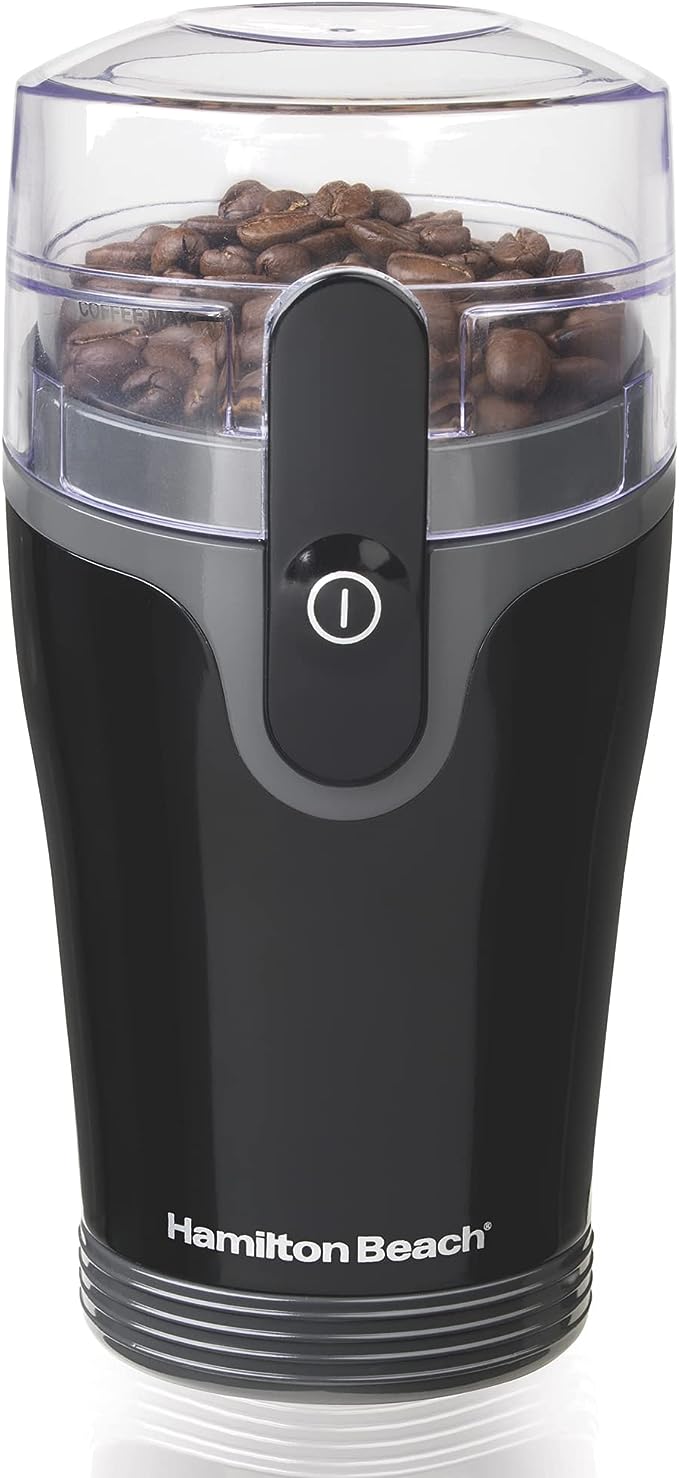
Hamilton Beach Fresh Grind Electric Coffee Grinder
Best for: Everyday drip coffee and French press
Capacity: 4.5 oz (enough for 12 cups)
Why we love it: Unbeatable value with reliable performance. The stainless steel blades are durable, it's incredibly easy to clean, and the removable grinding chamber is dishwasher safe. Perfect for beginners who want fresh-ground coffee without the learning curve.
Check it out →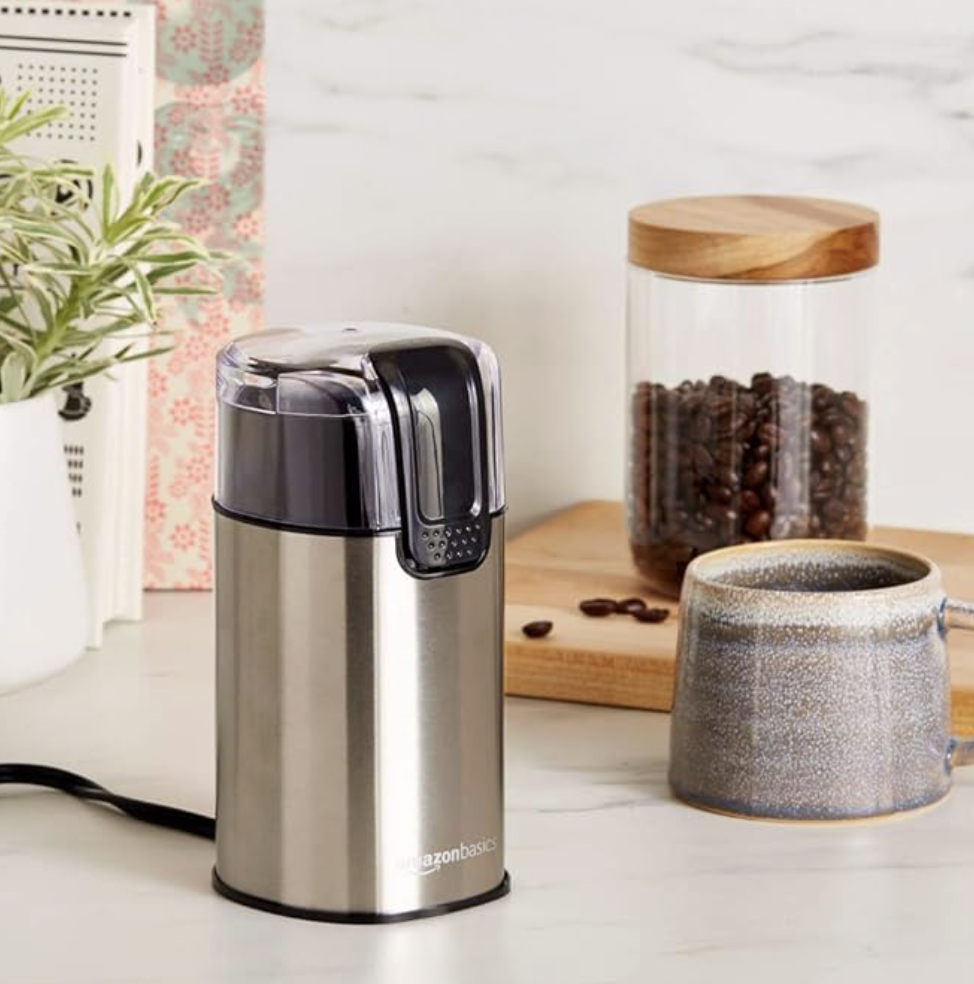
KRUPS F203 Electric Spice and Coffee Grinder
Best for: Those who want versatility (also grinds spices and nuts)
Capacity: 3 oz
Standout feature: Oval-shaped blades for more uniform grinding. The compact design makes it perfect for small kitchens or dorm rooms.
Check it out →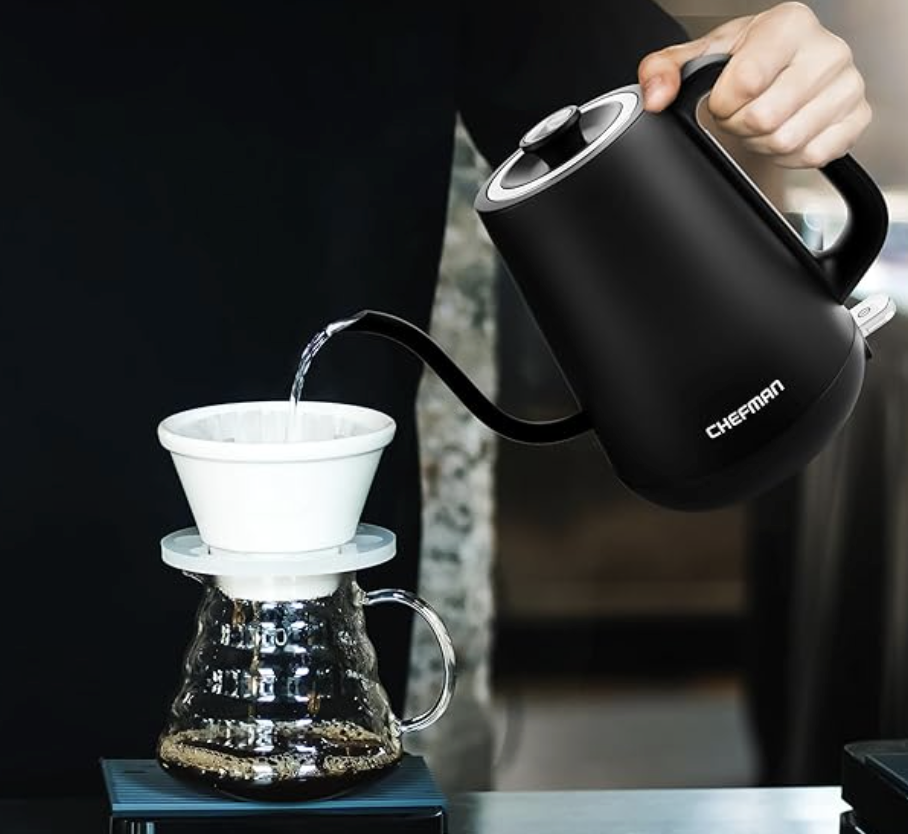
Chefman Electric Coffee Grinder
Best for: Quiet operation for early mornings
Capacity: 2.5 oz
Standout feature: Quieter motor than most blade grinders. Great if you don't want to wake up the household during your 6 AM coffee routine.
Check it out →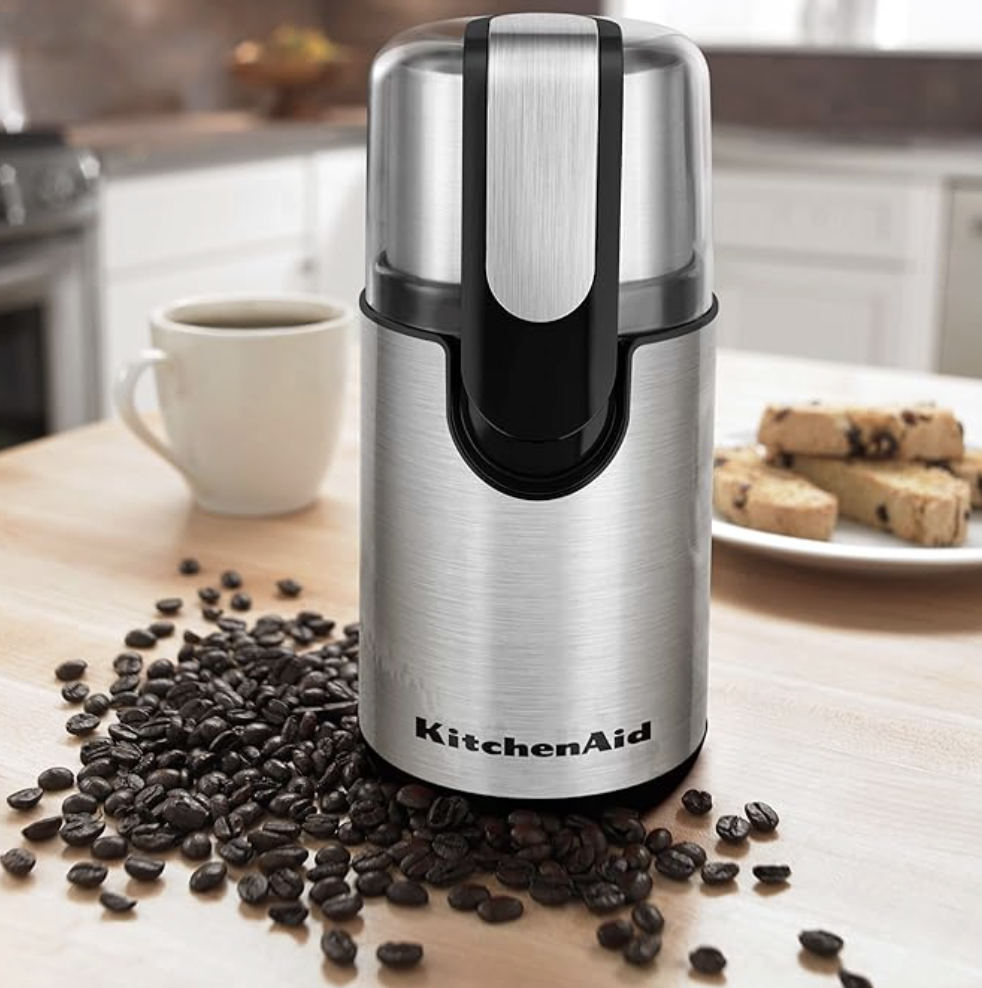
Blade Coffee Grinder by KitchenAid
Best for: Those who value brand reliability
Capacity: 4 oz
Standout feature: Comes with a one-year warranty. The pulse control feature gives you more control over grind consistency.
Check it out →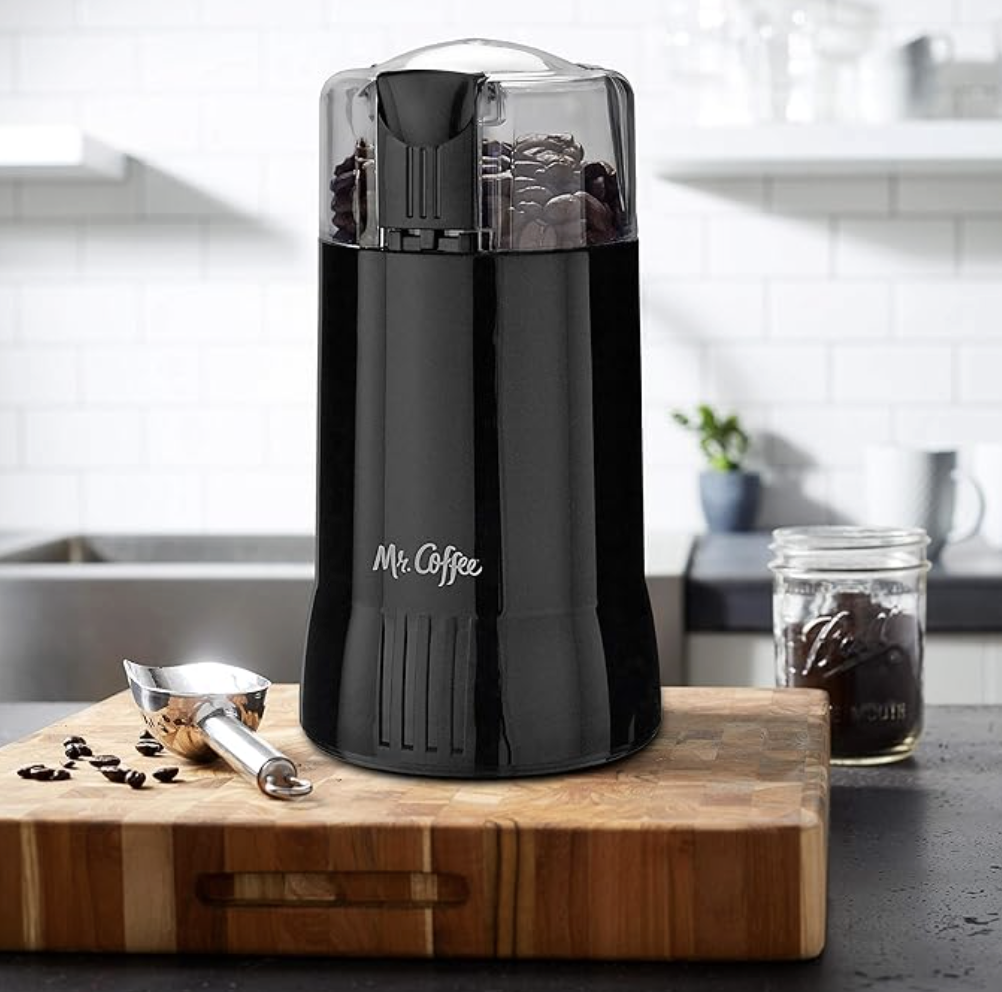
Mr. Coffee Electric Coffee Grinder
Best for: The absolute budget-conscious buyer
Capacity: 2 oz
Standout feature: The most affordable option on the list. Simple, no-frills design that gets the job done for casual coffee drinkers.
Check it out →What to Look for in a Budget Coffee Grinder
🎯 Grind Consistency
Even at the budget level, you want uniform particle size. Inconsistent grinds lead to over-extraction (bitter) and under-extraction (sour) in the same cup. Look for grinders with quality blades and good reviews mentioning consistency. Blade grinders won't match burr grinders for uniformity, but the best budget options minimize this gap.
Pro tip: Pulse your blade grinder in 1-2 second bursts and shake between pulses for more even results.
☕ Capacity
Consider how much coffee you make at once. Solo drinkers can get by with 2-3 oz capacity, but households or French press enthusiasts should look for 4+ oz capacity. Remember: it's easier to grind less in a larger grinder than to make multiple batches in a small one.
Reference: 2 tablespoons of coffee = ~10g = 1 standard cup. A 4 oz (112g) grinder handles about 11 cups worth.
🧼 Ease of Cleaning
Coffee oils build up over time and can make your grinder taste stale. The best budget grinders have removable grinding chambers that can be wiped clean or even go in the dishwasher. Avoid grinders where the motor housing and chamber are one piece-they're a pain to clean thoroughly.
Maintenance tip: Grind a small amount of white rice once a month to clean residue and absorb oils.
🔌 Build Quality
Check for stainless steel blades (not plastic), a stable base, and a secure lid. The grinder should feel solid, not flimsy. Read reviews for durability-a grinder that breaks after 3 months isn't a good deal even at $15.
⚡ Motor Power
Budget grinders typically range from 150-200 watts. More power means faster grinding but can generate more heat (which affects flavor). For casual use, 150W is plenty. Daily heavy users might prefer 200W+.
Our #1 Pick: Hamilton Beach Fresh Grind Electric Coffee Grinder
Why We Love It
After testing dozens of budget grinders, the Hamilton Beach Fresh Grind consistently delivers the best value. At just $18, it punches well above its weight class. The 4.5-ounce capacity is generous for this price range, handling enough beans for a full pot of coffee or a large French press.
What really sets it apart is the thoughtful design. The removable stainless steel grinding chamber makes cleaning effortless-just pop it off, wipe it down, or throw it in the dishwasher. The chamber has measurement marks on the side, so you can grind the exact amount you need without waste.
The grind consistency is impressive for a blade grinder. While it won't match a $200 burr grinder, it produces uniform-enough grounds for drip coffee, pour-over, and French press. The secret is in the stainless steel blades and the chamber's shape, which prevents beans from hiding in corners.
✅ Pros
- Unbeatable price: Best performance per dollar in the budget category
- Large capacity: 4.5 oz handles 12 cups worth of coffee
- Easy to clean: Removable chamber is dishwasher safe
- Durable: Stainless steel blades and solid construction
- Simple operation: One-button press-and-hold design (no complicated settings)
- Compact: Stores easily in cabinets or on counters
- Quiet: Relatively quiet for a blade grinder
❌ Cons
- Not ideal for espresso: Blade grinders struggle with the fine, consistent grind espresso needs
- Manual control: You have to time it yourself-no preset grind settings
- Can get hot: Grinding for more than 30 seconds at a time can warm the beans slightly
- Some noise: While quieter than many, it's still a motor-powered grinder
The Verdict
If you're looking to upgrade from pre-ground coffee without spending a fortune, the Hamilton Beach Fresh Grind is the obvious choice. It's reliable, easy to use, and delivers consistent results day after day. At $18, even if you upgrade to a burr grinder later, you haven't overspent on your entry-level grinder.
Perfect for: Beginners, casual coffee drinkers, drip coffee and French press enthusiasts, anyone on a tight budget
Skip if: You're a serious espresso drinker (invest in a burr grinder instead)
Frequently Asked Questions
Can you use a budget blade grinder for espresso?
Technically yes, but we don't recommend it. Espresso requires an extremely fine and consistent grind that blade grinders struggle to achieve. The inconsistent particle size leads to channeling (water finding the path of least resistance) and produces sour, under-extracted shots.
If you're serious about espresso, save up for a burr grinder-even an entry-level burr grinder like the Baratza Encore ($140) will give you much better results than any blade grinder. Think of it this way: don't let a $20 grinder be the bottleneck for your $300 espresso machine.
Exception: If you have a pressurized portafilter (most beginner espresso machines), you can get away with a blade grinder since the basket does some of the work evening out the extraction.
How long do budget coffee grinders last?
With proper care, a quality budget grinder like the Hamilton Beach can last 3-5 years of daily use. The key factors affecting longevity are:
- Usage frequency: Daily grinding wears down blades faster than weekly use
- Cleaning: Regular cleaning prevents oil buildup that can strain the motor
- Grinding duration: Avoid continuous grinding for more than 30 seconds; let it cool between batches
- Bean type: Very oily beans (like dark roasts) can gum up the works faster
Signs it's time to replace: noticeably slower grinding, burnt smell, extremely loud motor noise, or inconsistent grind even after cleaning.
Pro tip: Even if your grinder is working fine, consider upgrading after 2-3 years simply because grind quality degrades as blades dull.
Blade grinder vs burr grinder: What's the difference?
Blade grinders (like all on this list) use spinning blades to chop coffee beans, similar to a food processor. They're affordable, simple, and work well for drip coffee and French press. The downside is less consistency-you get a mix of fine dust and larger chunks.
Burr grinders crush beans between two abrasive surfaces (burrs), producing uniform particle size. They're more expensive ($100-$500+) but offer superior consistency and adjustable grind settings.
When to upgrade: If you find yourself obsessing over coffee quality, want to explore pour-over or espresso, or you're consistently frustrated by your grind consistency, it's time for a burr grinder. Until then, a good blade grinder will serve you well.
What's the best grind size for my brewing method?
Different brewing methods need different grind sizes. Here's a quick reference:
- Coarse (like sea salt): French press, cold brew - Grind time: 8-10 seconds in pulses
- Medium-coarse: Chemex, Clever dripper - Grind time: 6-8 seconds
- Medium (like sand): Drip coffee makers, pour-over - Grind time: 4-6 seconds
- Medium-fine: AeroPress, Moka pot - Grind time: 3-4 seconds
- Fine (like table salt): Espresso - Grind time: 1-3 seconds (not recommended for blade grinders)
Tip: Start with the recommended time, then adjust. If coffee is bitter/over-extracted, use a coarser grind (less time). If it's sour/weak, go finer (more time).
How do I clean my coffee grinder?
Daily cleaning (30 seconds):
- Unplug the grinder
- Remove the grinding chamber (if removable)
- Use a dry brush or cloth to wipe out grounds
- Tap out any remaining particles
Weekly deep clean (5 minutes):
- Follow daily cleaning steps
- Wash removable parts with warm soapy water (or dishwasher if safe)
- Use a damp cloth to wipe the blade and interior
- Dry thoroughly before reassembling
Monthly rice cleaning:
- Grind 1/4 cup of dry white rice until powder
- Discard the rice powder
- Wipe out with a damp cloth
- This absorbs oils and removes stuck-on residue
Never: Submerge the motor base in water or put non-removable parts in the dishwasher.
Is it worth buying a grinder or should I just buy pre-ground coffee?
Absolutely worth it. Here's why:
Flavor: Coffee starts losing flavor within 15 minutes of grinding due to oxidation. Pre-ground coffee from the store has been sitting for weeks or months. Even a $18 grinder with fresh beans will taste dramatically better than $20/bag pre-ground coffee.
Freshness: Whole beans stay fresh for 2-4 weeks after roasting when stored properly. Pre-ground loses its peak flavor in days.
Cost: A $18 grinder pays for itself after 2-3 bags of coffee. You're buying whole beans (often cheaper per ounce) and getting premium-quality fresh-ground coffee.
Versatility: You can adjust your grind for different brewing methods. Pre-ground is one-size-fits-all (and often fits none perfectly).
The taste test: Make your coffee two ways-once with grocery store pre-ground, once with fresh-ground whole beans. The difference is immediately obvious. Your morning coffee will go from "fine" to "wow, this is good."
Pairs Well With Your New Grinder
A grinder is just the start. These accessories complete the setup and make fresh-ground coffee even better.
Store Your Beans Right
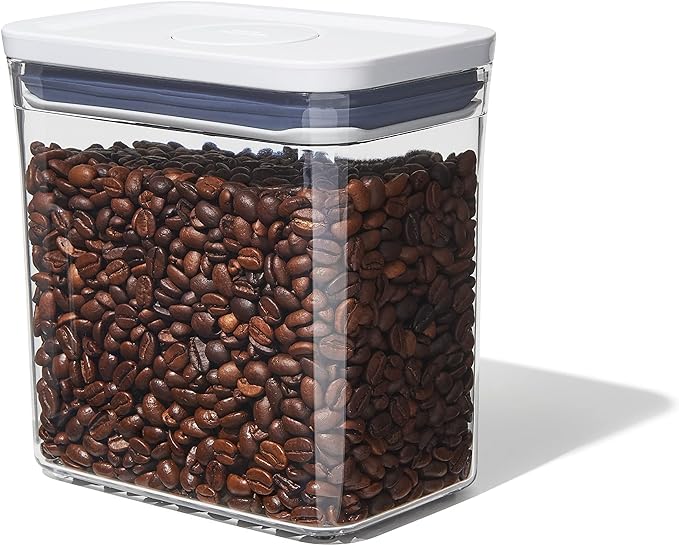
Good Grips POP Container - $12
Whole beans lose freshness fast when exposed to air. An airtight container keeps your beans at peak flavor for weeks longer than the bag they came in.
Check it out →Weigh Your Coffee for Consistency
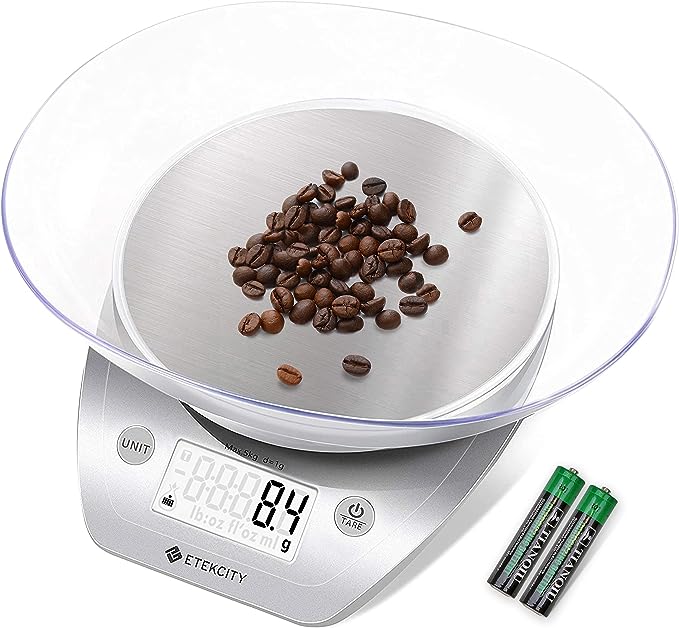
Etekcity Digital Kitchen Scale - $18
Eyeballing scoops leads to inconsistent cups. A scale lets you dial in the exact ratio every time - the single biggest improvement after grinding fresh.
Check it out →Brew It: French Press
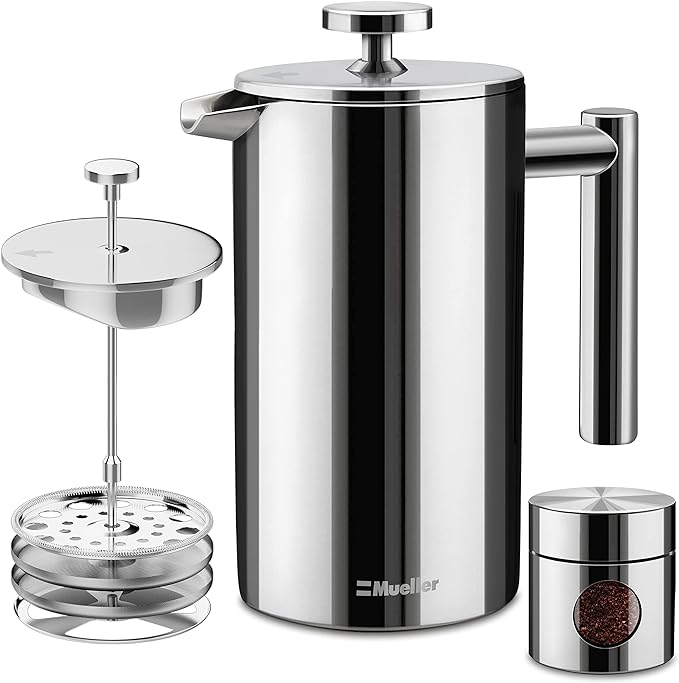
MuellerLiving French Press Coffee Maker - $34
French press is one of the best ways to taste the difference fresh-ground makes. Full-bodied, rich, and forgiving of slight grind inconsistency from a blade grinder.
Check it out →Heat Your Water Right
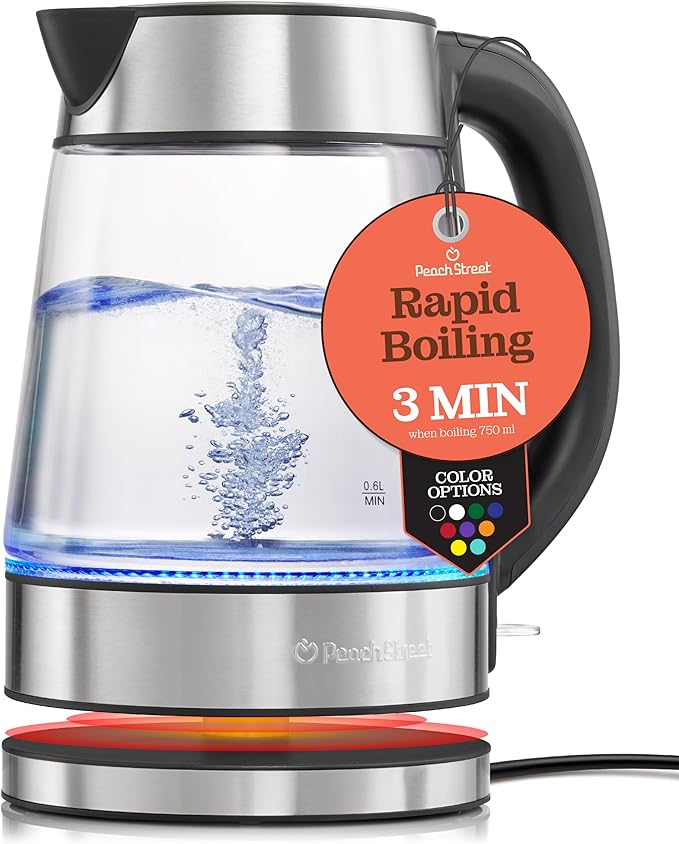
Speed-Boil Electric Kettle - $22 (50% Off)
Water temperature matters more than most people realize. Too hot burns the grounds, too cool under-extracts. An electric kettle gets you to the ideal 195-205°F fast.
Check it out →Quality Filters Make a Difference
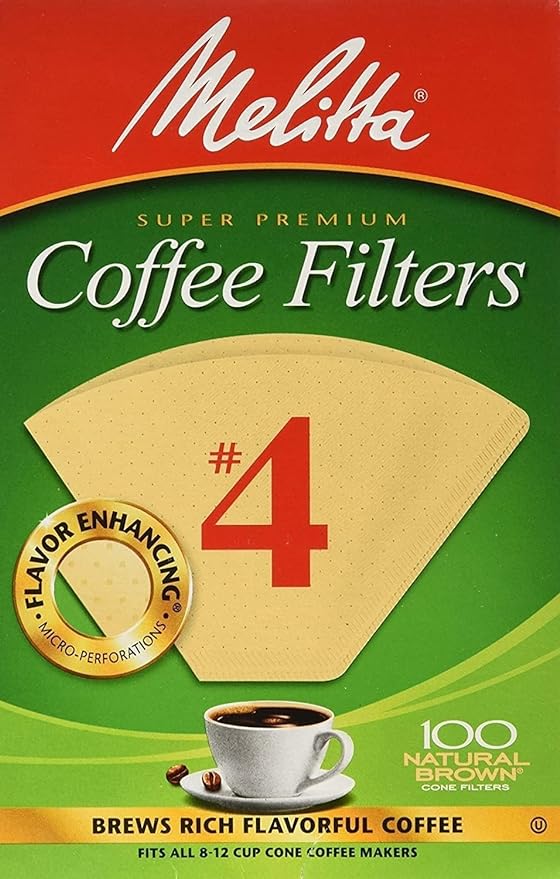
Melitta Super Premium Coffee Filters - $3 (35% Off)
Cheap filters can add papery taste and let sediment through. Premium filters produce a cleaner cup and are worth the small upgrade.
Check it out →Is a Budget Coffee Grinder Good Enough?
For most home brewers, yes - a budget blade grinder is more than good enough. The biggest jump in cup quality comes from switching from pre-ground to fresh-ground beans, and even an $18 grinder delivers that. If you primarily drink drip coffee, French press, or pour over, you don't need to spend more than $25 to get excellent results.
The exception is espresso: espresso machines need a consistently fine grind that blade grinders can't reliably produce. If espresso is your focus, a burr grinder starting around $100 is worth the investment. For everything else, start here.
Whether you go with our top pick - the Hamilton Beach Fresh Grind at $18 - or another option from this list, you're making an upgrade that will pay off in better-tasting coffee from day one.
Start Grinding Fresh Today
Browse our curated selection of budget coffee grinders and accessories
Shop Coffee Grinders on Coffeecessory →