Almost every bag of coffee you pick up will say "100% Arabica" somewhere on the label - usually presented as a mark of quality. But what does that actually mean? And is Robusta always the inferior option that marketing wants you to believe? The answer is more nuanced: both species have real strengths and legitimate uses, and the best coffee for you depends on what you value in a cup.
Arabica and Robusta are the two dominant species of commercially grown coffee, accounting for over 98% of global production. They differ in plant biology, growing conditions, flavor, caffeine content, and price - and understanding those differences helps you make smarter buying decisions.
The Basics: Two Different Plants
Coffea arabica originated in the highlands of Ethiopia and accounts for roughly 60–70% of global coffee production. It grows at high altitudes (typically 1,800 to 6,300 feet), requires specific temperature ranges (60°F–75°F), and is significantly more sensitive to disease, pests, and climate variation. This difficulty of cultivation is the primary reason Arabica costs more.
Coffea canephora - commonly called Robusta - originated in sub-Saharan Africa and is now grown widely across Vietnam, Indonesia, Uganda, and parts of Brazil. It grows at lower altitudes, thrives in hotter climates, is highly resistant to disease (its higher caffeine content acts as a natural pesticide), and produces higher yields per plant. This makes it substantially cheaper to produce.
Flavor: What Each Actually Tastes Like
The flavor difference between Arabica and Robusta is significant. High-quality Arabica offers a wide spectrum of complexity: floral and fruity notes, bright acidity, sweetness, and nuanced aromatics that vary dramatically by origin. A well-grown Ethiopian Arabica tastes nothing like a well-grown Colombian Arabica - origin terroir comes through clearly.
Robusta has a characteristically different flavor profile: earthy, woody, often grainy, with a sharp, rubbery bitterness and lower sweetness. High-quality Robusta (from regions like Da Lat in Vietnam) can be interesting and full-bodied, but it doesn't produce the complexity that Arabica is capable of. The bitterness is structural - it comes from the higher chlorogenic acid and caffeine content of the bean itself.
Arabica
- More complex, nuanced flavor with fruit and floral notes
- Higher sweetness and acidity
- Less bitter, more refined cup
- Lower caffeine (~1.2–1.5% by weight)
- Higher price due to difficult cultivation
- Used in specialty coffee and premium consumer products
Robusta
- Earthy, bold, often bitter flavor profile
- Lower acidity, heavier body
- Higher caffeine (~2.2–2.7% by weight - roughly double)
- Lower price due to easier cultivation and higher yields
- Used in espresso blends and instant coffee
- Produces excellent crema in espresso
Grind Your Beans Fresh for Either Species
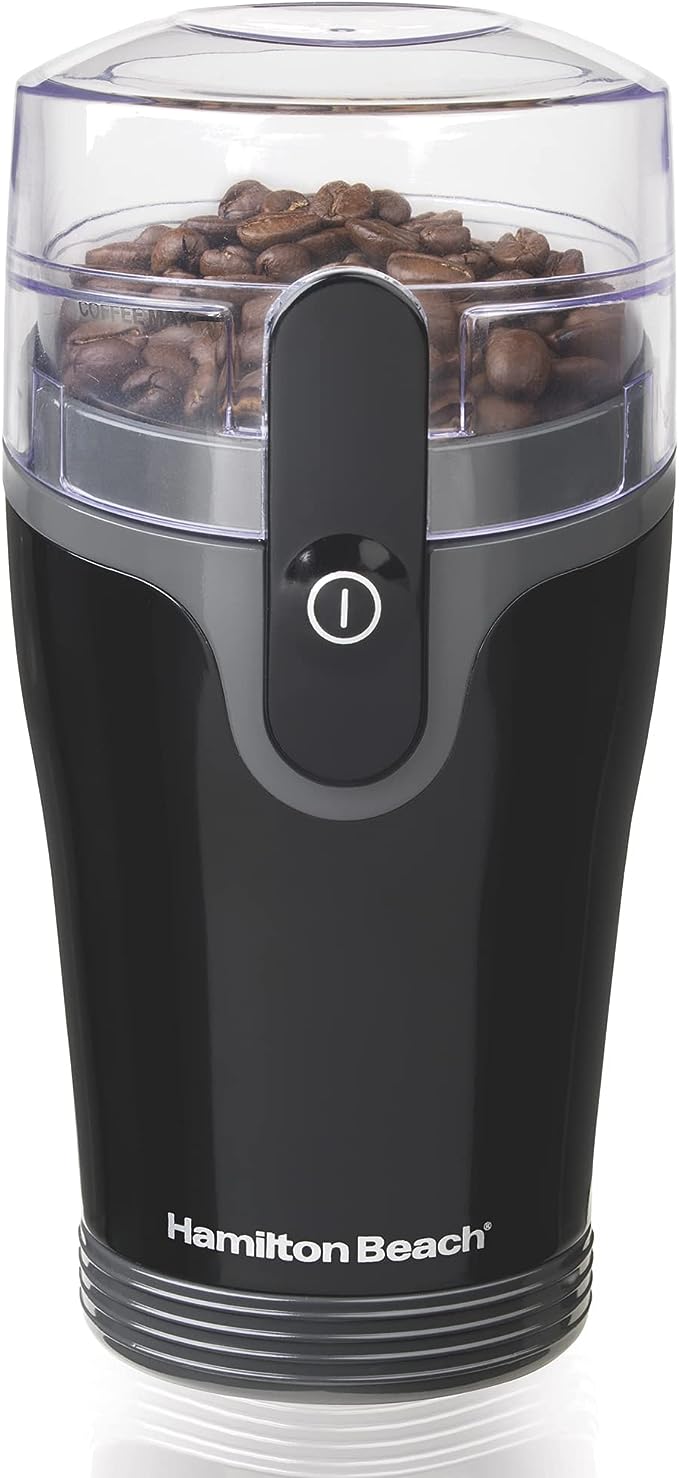
Hamilton Beach Fresh Grind Electric Coffee Grinder - $18
Whether you're brewing Arabica or Robusta, grinding fresh immediately before brewing makes a significant difference in flavor. Pre-ground coffee loses aroma and volatile compounds within 15-30 minutes of grinding. An electric grinder keeps the process quick without sacrificing freshness.
Check it out →Caffeine Content: Robusta Wins Decisively
This is one area where Robusta clearly outperforms Arabica. Robusta beans contain approximately 2.2–2.7% caffeine by dry weight, compared to 1.2–1.5% for Arabica. That's roughly double the caffeine per gram of coffee. If maximum caffeine is your goal, Robusta-heavy blends are more effective than even the darkest Arabica roast.
The caffeine in Robusta isn't just useful for the drinker - it's part of the plant's natural defense against insects and pests. It's a large part of why Robusta is so much easier and cheaper to grow.
A High-Caffeine Blend Worth Trying
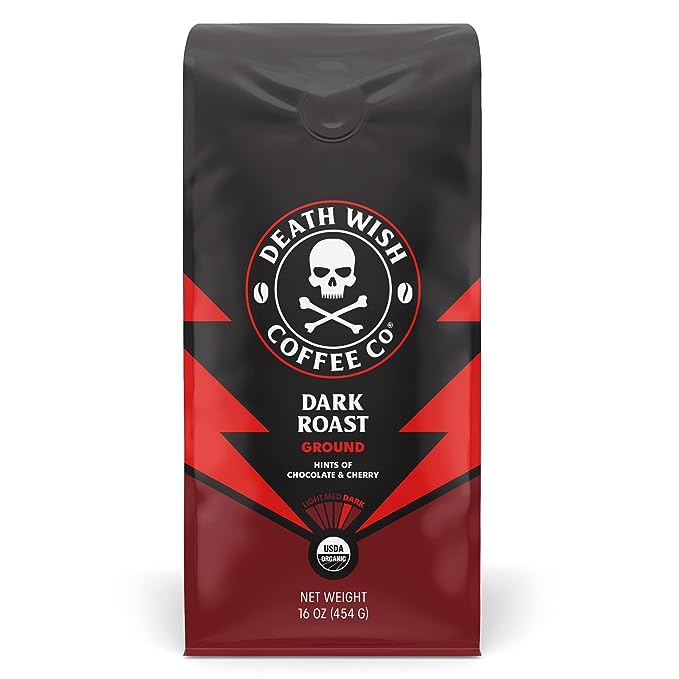
Death Wish Coffee - $16
Death Wish uses a blend of Arabica and Robusta, dark-roasted for maximum boldness and caffeine. It's a good example of a blend that leverages Robusta's caffeine and body while keeping the flavor accessible for dark roast drinkers. If you've been curious about Robusta-blend coffees, this is an approachable entry point.
Check it out →Price Difference: Why Arabica Costs More
At the commodity level, Arabica typically trades at $1.50–$3.00 per pound, while Robusta trades at $0.80–$1.50 per pound. Retail prices reflect this, though specialty Arabica from top origins and farms can command far higher prices. The price gap comes down to growing difficulty: Arabica needs higher altitude, narrower climate ranges, more careful harvesting, and produces lower yields per plant than Robusta.
For large commercial operations - instant coffee manufacturers, mass-market blends - Robusta's cost efficiency and high caffeine content make it highly attractive. For specialty roasters who sell coffee by its origin character, Arabica is the only viable choice.
Where Each Is Used
Instant Coffee
Primarily Robusta. The spray-drying and freeze-drying processes that create instant coffee destroy much of the delicate complexity that makes Arabica valuable. Robusta's boldness and lower price make it dominant in the instant coffee category.
Italian-Style Espresso Blends
Traditionally a mix of Arabica and Robusta. Robusta contributes a thick crema, a heavier body, and a certain bitterness that many Italian espresso drinkers consider essential. A blend of 70–80% Arabica and 20–30% Robusta is classic in Italian coffee culture.
Specialty Coffee
Almost exclusively high-quality Arabica. The SCA's specialty grading system is designed for Arabica; very little Robusta is submitted for specialty grading. The origin complexity that specialty coffee celebrates requires Arabica.
Vietnamese Coffee
Predominantly Robusta, often brewed through a phin filter and served with sweetened condensed milk. The bold, earthy bitterness of Robusta works exceptionally well with the sweetness of condensed milk - a pairing that flatters Robusta's strengths and masks its weaknesses.
Arabica-Robusta Blends: The Best of Both?
Many of the world's best-selling espresso blends are Arabica-Robusta hybrids. The Robusta contributes crema stability, body, and caffeine; the Arabica contributes complexity, sweetness, and aroma. When the proportions are right and both components are high quality, the result can be genuinely excellent - better for espresso than 100% Arabica in some respects, because Arabica alone can produce thin, unstable crema.
The key word is quality. Low-quality Robusta added to low-quality Arabica produces a cheap-tasting blend. High-quality Robusta from Vietnam or Uganda added to good Arabica produces a full-bodied, caffeinated espresso blend that punches well above its price.
Brew Arabica the Right Way: Pour Over
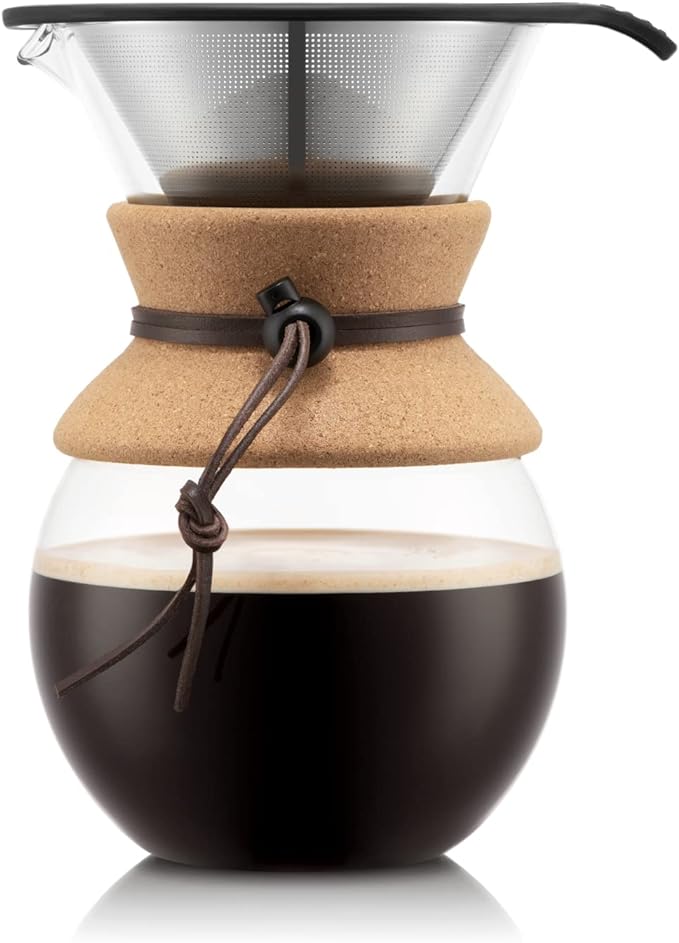
BODUM Pour Over Coffee Maker - $19
Pour over is one of the best methods for showcasing Arabica's complex flavor notes. The slow, controlled extraction highlights the floral, fruity, and sweet characteristics that make high-quality Arabica worth the price. A great starting point for exploring single-origin Arabica coffees.
Check it out →The Classic Robusta Brewing Method: French Press
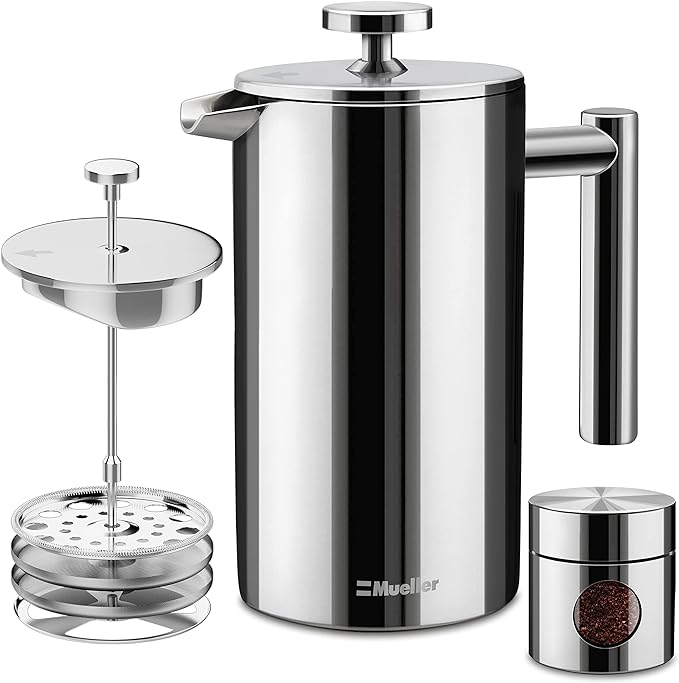
MuellerLiving French Press Coffee Maker - $34
French press brewing produces a full-bodied, bold cup that complements Robusta's natural heaviness. The metal mesh filter lets through oils and fine particles, giving you the thick mouthfeel that Robusta is known for. Also excellent for Arabica-Robusta blends.
Check it out →Store Your Beans Right
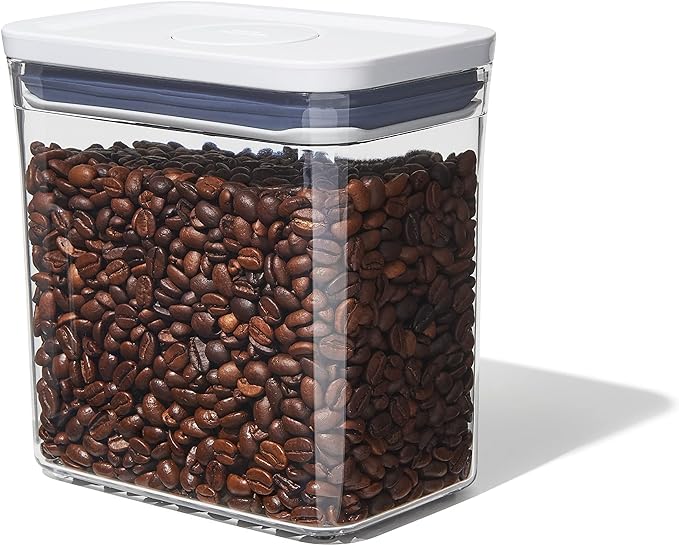
Good Grips POP Container - $12
Whether Arabica or Robusta, whole beans lose freshness when exposed to air, light, and moisture. An airtight container keeps your beans at peak flavor for weeks longer than the bag they came in.
Check it out →Frequently Asked Questions
Is Arabica always better than Robusta?
Not always. High-quality Arabica is more complex and nuanced than Robusta in most contexts, which is why it dominates specialty coffee. But Robusta has genuine strengths: higher caffeine, excellent crema in espresso blends, bold body that works well in milk-based drinks and instant coffee, and a lower price point. In Vietnamese coffee with condensed milk, Robusta is arguably the better choice. The right answer depends on how and why you're drinking coffee.
How much more caffeine does Robusta have than Arabica?
Roughly double. Robusta contains approximately 2.2–2.7% caffeine by dry weight, compared to 1.2–1.5% for Arabica. A cup brewed from pure Robusta will have substantially more caffeine than the same cup brewed from Arabica with identical ratios and method. This is part of why Robusta is used in high-caffeine blends and why Vietnamese coffee - brewed strong with Robusta - delivers a significant caffeine kick despite its small serving size.
Why do espresso blends use Robusta?
Robusta contributes three things to espresso blends that pure Arabica struggles to deliver: a thick, stable crema (from higher oil and protein content), a heavier body, and additional caffeine. Many Italian-style roasters use 20–30% Robusta in their espresso blends precisely for these reasons. The combination of Arabica's complexity and Robusta's body and crema can produce an espresso that's more satisfying in a milk drink than 100% Arabica alone.
Does 100% Arabica on a label mean the coffee is high quality?
It means the coffee uses only Arabica beans, which eliminates the low-quality Robusta that cheap blends often use. But Arabica quality varies enormously - commodity-grade Arabica grown at low altitude with poor processing can taste flat and unremarkable. 100% Arabica is a baseline, not a guarantee of quality. Look for roast date information, origin specifics, and specialty roaster sourcing for a better indication of what's in the bag.
What does Robusta taste like on its own?
Low-quality Robusta tastes earthy, rubbery, and sharply bitter with a woody, grainy finish and little sweetness. High-quality Robusta - from places like Da Lat, Vietnam or parts of Uganda - can be surprisingly full-bodied and chocolatey, with less of the harsh rubber character. But even good Robusta lacks the floral, fruity complexity that good Arabica provides. It's a bolder, simpler, more caffeinated cup.
The Bottom Line
Arabica offers more flavor complexity, sweetness, and nuance - it's the right choice for specialty coffee, pour over, and any method where origin character matters. Robusta offers higher caffeine, lower cost, excellent crema in espresso, and bold body that works well in milk drinks and blends.
"100% Arabica" is a meaningful quality indicator but not a guarantee of excellence. And Robusta isn't automatically inferior - in the right context, it's the better choice. For most home brewers who want a nuanced, interesting cup, high-quality Arabica is the right starting point. If maximum caffeine and bold body are the priority, a quality Arabica-Robusta blend delivers both.